
How we work
Customer obsession,
prototyped daily.
We don't build what we think is cool. We build what real people actually need. Every product starts with a customer problem and ends with something you can hold in your hands.
Our philosophy
Start with the
problem, not the product.
Most product companies start with a solution and go looking for customers. We do it backwards. We start by listening to frustrated forum posts, community submissions, and the things people wish existed but nobody makes.
Only after we deeply understand the problem do we pick up the tools. It's slower at first, but it means we rarely build something nobody wants.
The process
Four stages. Zero shortcuts.
Every Protostripe product moves through the same disciplined pipeline, from raw signal to finished goods.
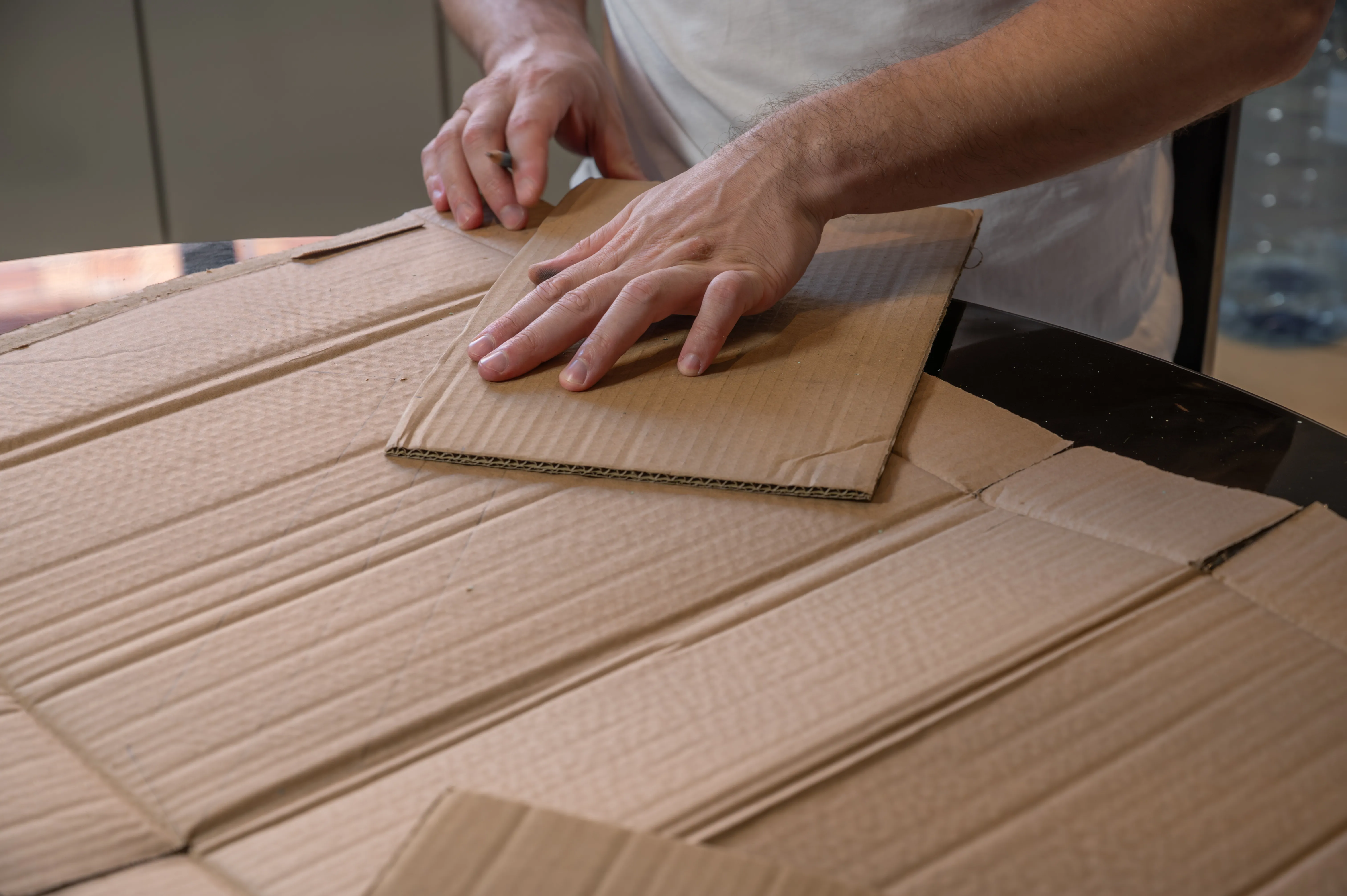
Discover
Every product begins by listening. We scour niche communities and talk directly to the people experiencing the problem. We're looking for friction: the small daily annoyances that add up, the hacks people build out of duct tape and frustration.
We don't move forward until we can articulate the problem better than the customer can.
Design
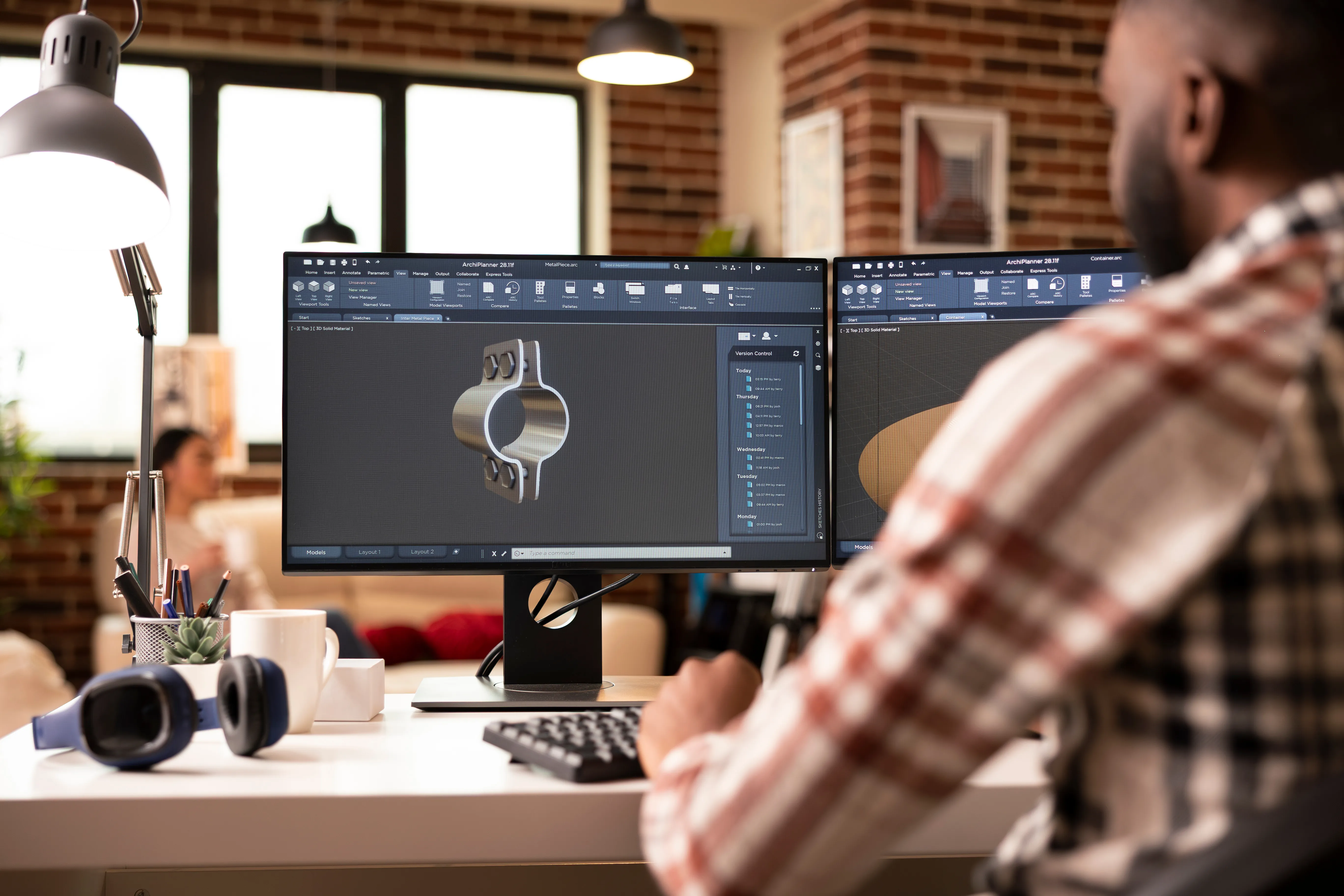
With the problem locked in, we move to CAD. But we don't just model the first thing that comes to mind. We sketch multiple approaches, weigh trade-offs in materials and manufacturing, and obsess over ergonomics and tolerances.
The goal isn't a pretty render. It's a file that prints cleanly, assembles intuitively, and solves the problem on the first try.
Test
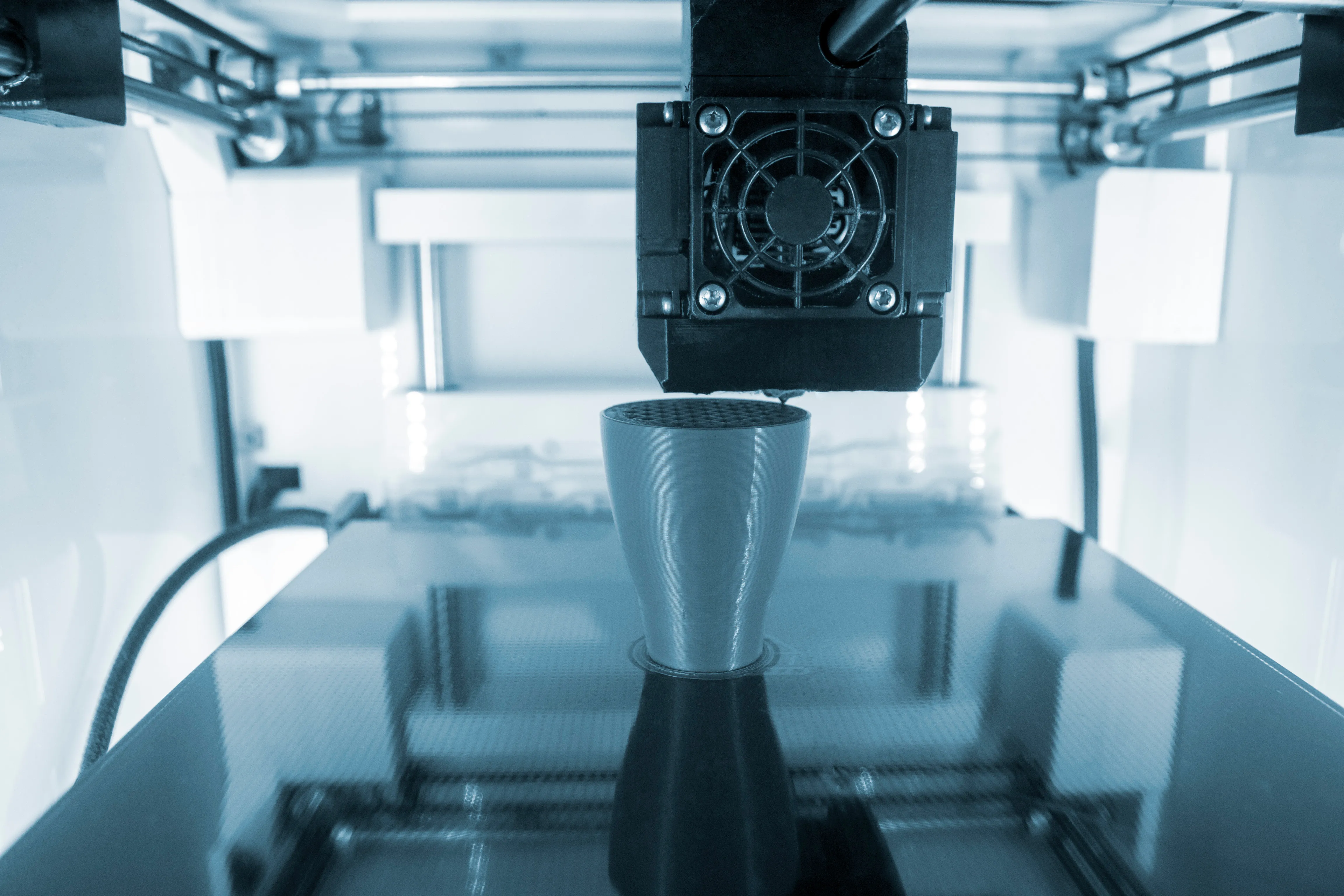
This is where most of the work happens. We print the first prototype and immediately start breaking it. Does it hold up under daily use? Does the snap-fit actually snap? Does the cable organizer work with cables thicker than the ones we tested?
We send prototypes to real users, collect unfiltered feedback, and iterate. Sometimes the third version is the one. Sometimes it's the ninth. We don't ship until it's right.

Launch
We release in small batches on purpose. It lets us keep quality tight, respond to early feedback fast, and avoid the waste that comes with mass production.
Products that gain traction get scaled. Products that don't get killed honestly. We'd rather make ten great things than a hundred mediocre ones.
What drives us
Principles we build on
Customer-first, always
We don't build for trade shows or investor decks. We build for the person who's going to use this thing every day at their desk.
Iterate relentlessly
Version one is never the final version. We prototype, test, break, learn, and rebuild until the product earns its place.
Small batches, big quality
We print in small runs so every unit gets inspected. When something isn't right, we catch it before it ships, not after.
Community-driven ideas
Our best product ideas don't come from a boardroom. They come from real people solving real problems.
Radical transparency
We share our process, our failures, and our learnings openly. If a product doesn't work out, we say so and explain why.
Kill what doesn't work
Not every idea deserves a product. We're ruthless about cutting things that don't solve the problem well enough, no matter how far along they are.